

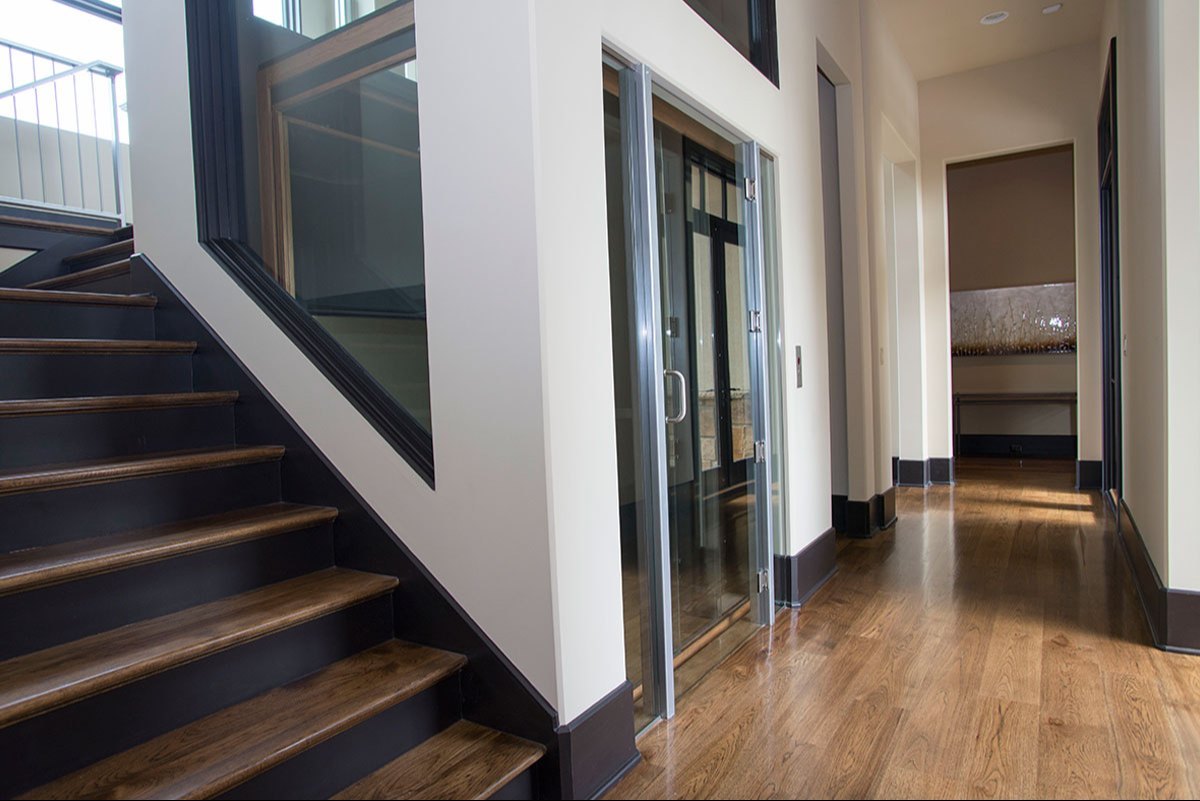
Imagine gliding up to your second floor without a single step. That smooth ride sounds like pure magic for busy families or folks with knee troubles. Yet when costs for pro setups hit sky-high prices, many dreamers turn to DIY home elevators as a smart fix. But hold on—this isn’t a weekend project like building a birdhouse. It mixes real thrills with big dangers if you skip the facts.
This piece cuts through the hype. You’ll get straight talk on what’s doable in your garage or backyard for a home elevator setup. We cover parts, rules, and smart paths forward. By the end, you’ll know if a DIY lift fits your life or if pros make more sense.
Understanding the Scope: What Exactly is a “DIY Home Elevator”?
Defining the “DIY” Aspect
You might picture hammering nails and wiring circuits from zero. Truth is, true DIY home elevators rarely mean that. Most folks grab ready-made pieces and put them together, not invent the wheel.
Real DIY often looks like snapping in a kit from a supplier. These come with plans that match safety rules. Or you tweak a stair lift for wider use, but only if you know limits.
Pure scratch builds? They’re rare and tough. They demand skills in metalwork and code checks. Stick to kits unless you’re an engineer at heart.
Essential Elevator Components
Every home elevator needs solid bones to work right. Start with the hoistway, that shaft where the cab moves. It must stand strong against weight and fire—think steel frames or thick wood walls that meet local fire codes.
The cab itself is your ride pod. Pick one that holds 750 pounds or more, with doors that lock tight. Add comfy seats or rails for easy grabs, but keep weight low to avoid strains.
Drive systems power the whole thing up. Hydraulic lifts use fluid pumps for quiet runs, great for two-story homes. Traction types pull cables like old skyscrapers, while screw drives twist like a big bolt—each needs the right motor and power setup.
Controls tie it all. Buttons light up floors, and stops halt everything fast. Safety bits like brakes and sensors watch for slips, making sure you land level every time.
Safety First: The Non-Negotiable Pillars of Home Elevator Construction
Navigating Building Codes and Regulations
Rules keep everyone safe—no shortcuts here. In the US, ASME A17.1 sets the bar for elevators, even in homes. It covers everything from cab strength to emergency stops, and skips it at your peril.
Local codes add layers. You need permits before you dig a shaft or wire power. Inspectors check work mid-project; fail once, and you redo it all, wasting cash and time.
Insurance hates risks too. A DIY home elevator without stamps might void your policy. One accident, and you’re on the hook for big bills—think lawsuits or repairs.
Critical Safety Mechanisms for DIY Builds
Doors that won’t budge unless you’re inside? That’s interlock magic. They sense if the cab aligns with the floor, stopping starts otherwise. Miss this, and falls happen quick.
Brakes kick in for speed bursts or drops. Governors watch velocity, yanking cables to halt free-falls. These aren’t bolt-ons; calibrate them wrong, and they fail when needed most.
Power cuts? Build in backups like batteries or hand cranks. Redundant wires mean one snag doesn’t strand you. Test often—safety isn’t set-it-and-forget-it.
Realistic DIY Approaches and Their Challenges
Assembling Pre-Engineered Elevator Kits
Kits make DIY home elevators feel real. Brands like Inclinator or Savaria sell home units with all parts included—cabs, motors, even wiring guides. You follow steps like a big puzzle.
Pros shine bright: they’re built to code, so fewer permit fights. Support lines help if wires tangle. Assembly takes weeks, not years, for handy types.
But costs bite—kits run $20,000 to $50,000 before extras. Space eats yards; a backyard home elevator needs 10 feet clear. Electricians or builders often pitch in for tricky bits like shaft framing.
Real stories pop up online. One guy in Texas turned his garage into a lift zone with a Savaria kit. It cost less than full pros, but he hired help for the hoistway pour.
Exploring Alternative “Lift” Systems
Not sold on full elevators? Simpler lifts bridge gaps. Stair lifts hug rails up steps, perfect for one person with hip pain. Install them yourself in a day, but check weight—most top at 300 pounds.
Vertical platform lifts shine outdoors. Think wheelchair ramps that rise straight—great for garage home elevators. Brands like Harmar offer DIY-friendly models with basic tools needed.
Conceptual DIY vertical moves tempt tinkerers. Picture a pulley rig from farm store parts. But caution screams loud: no codes mean no insurance, and one snap could crush dreams. Experts say skip it unless you consult pros first.
- Stair lift perks: Quick setup, low power use, fits tight spots.
- Platform lift wins: Handles 1,000 pounds, weather-proof for backyards.
- DIY pitfalls: Weak materials lead to breaks; always test loads.
Expert Insights and Considerations
When to Call the Professionals
Pros spot flaws you miss. A structural engineer checks if your walls hold the load—old homes often need beams added. Skip this, and the whole setup sags.
Wiring zaps if done wrong. High amps for motors demand licensed sparks to avoid fires. One short could light up your insurance woes.
Certified techs seal the deal. They tune brakes and inspect yearly, keeping your DIY home elevator running smooth. As safety pro John Reyes puts it, “Skipping experts turns a cool project into a lawsuit waiting room. Lives hang on those cables.”
Understanding the True Cost of DIY
Parts add up fast. Beyond the kit, grab bolts, sensors, and paint—another $5,000 easy. Don’t forget concrete for bases in garage builds.
Tools? Rent cranes or welders; that’s $1,000 in fees. Permits cost $500 to $2,000, depending on your town.
Mistakes sting worst. Wrong alignments mean tear-outs, doubling time. One forum user spent months fixing a crooked shaft—total bill hit $15,000 extra.
Time? Plan 100 hours or more. Weekends vanish in research and tweaks. Factor family help, or it drags forever.
Stats show it: HomeAdvisor says pro elevators average $40,000 installed. DIY kits shave 30%, but hidden costs eat half that savings.
Conclusion: Prioritizing Safety and Practicality in Home Mobility Solutions
DIY home elevators spark big ideas, from backyard wonders to garage gems. You can save bucks and feel proud snapping in a kit, but safety rules everything. Components like shafts and brakes demand respect—mess up, and risks skyrocket.
Kits offer the best shot for hands-on folks, with alternatives like platform lifts filling gaps for less hassle. Yet pros often win for peace of mind, dodging code traps and insurance hits.
Weigh your skills against the stakes. If vertical ease calls, start with a permit chat or kit quote. Safe rides await those who plan smart—your home deserves it. Ready to lift off? Check local suppliers today and build wisely.
