

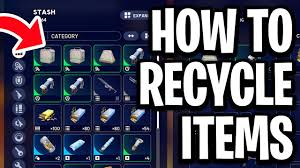
In ARC Raiders, common and low-tier crafting materials like scrap metal, damaged components, and duplicate resources are generally safe to recycle. High-tier items, rare components, and upgrade materials should be kept, as they are harder to find and essential for progression.
Understanding Crafting Materials in ARC Raiders
In ARC Raiders, resource management plays a critical role in survival and progression. Every item you collect has value, but not every item should be kept.
Crafting materials fall into three main categories:
- Common materials (easy to find, low value)
- Mid-tier components (moderate rarity and use)
- Rare materials (high value, essential for upgrades)
Knowing what to recycle and what to keep can save hours of grinding.
What Does “Safe to Recycle” Mean?
A material is considered safe to recycle if:
- It is easily replaceable
- It has low crafting importance
- It is not used in high-level upgrades
- You have excess quantity
Recycling helps free inventory space and convert items into more useful resources.
Crafting Materials Safe to Recycle
1. Scrap Metal
Scrap metal is one of the most common materials you’ll find.
Why recycle it?
- Easily farmable
- Found in almost every raid
- Low value in late-game
👉 Keep a small stack, recycle the rest.
2. Damaged Components
These include broken electronics or worn-out parts.
Why recycle?
- Limited direct use
- Often replaced by better components
- Takes up inventory space
3. Duplicate Low-Tier Materials
If you have multiple stacks of the same low-level item:
Recycle when:
- Inventory is full
- Item is not currently needed
- You already have enough for crafting
4. Basic Crafting Parts
Some base-level items are used only in early recipes.
Safe to recycle if:
- You’ve progressed beyond beginner crafting
- You have upgraded gear already
Materials You Should NOT Recycle
Avoid making this mistake. Some materials may look useless but are extremely valuable later.
1. Rare Components
- Hard to find
- Required for advanced crafting
- Essential for upgrades
2. Upgrade Materials
These are used to improve weapons, gear, or abilities.
👉 Always keep these, even if they seem unused.
3. Event or Special Items
Limited-time or unique materials often return value later.
4. High-Tier Electronics
Used in advanced crafting systems.
👉 Never recycle unless you are 100% sure.
How to Decide: Keep or Recycle?
Use this simple rule:
Recycle if:
- Item is common
- You have excess
- Easily farmable
- Not needed for upgrades
Keep if:
- Item is rare
- Used in advanced crafting
- Hard to find
- Required for progression
Best Recycling Strategy for Beginners
If you’re new to ARC Raiders, follow this:
Step 1: Keep Everything Early Game
Don’t rush into recycling. Learn item value first.
Step 2: Identify Common Items
After a few raids, you’ll notice which items are everywhere.
Step 3: Set Inventory Limits
Example:
- Scrap metal → Keep 100
- Extra → Recycle
Step 4: Focus on Progression
Only keep items that help you upgrade gear.
Advanced Tips
- Always check crafting recipes before recycling
- Store rare items even if unused
- Prioritize inventory space for valuable loot
- Use recycling to optimize efficiency, not just space
- Track which materials are used in upgrades
Common Mistakes to Avoid
- Recycling rare materials too early
- Not checking future crafting requirements
- Keeping too many useless items
- Ignoring inventory management
FAQs
What materials are safe to recycle in ARC Raiders?
Common items like scrap metal, damaged components, and duplicate low-tier materials are generally safe to recycle.
Should I recycle everything I don’t use?
No. Some materials may seem useless but are required later for upgrades.
How do I know if a material is rare?
Rare materials are harder to find and often used in advanced crafting recipes.
Is recycling important in ARC Raiders?
Yes, it helps manage inventory and convert low-value items into useful resources.
Conclusion
Mastering which ARC Raiders crafting materials are safe to recycle is key to efficient progression. By recycling low-value items and saving rare resources, you can optimize your inventory and stay ahead in the game.
Focus on value, not quantity. Smart decisions here will directly impact your long-term success.
